Skip to content
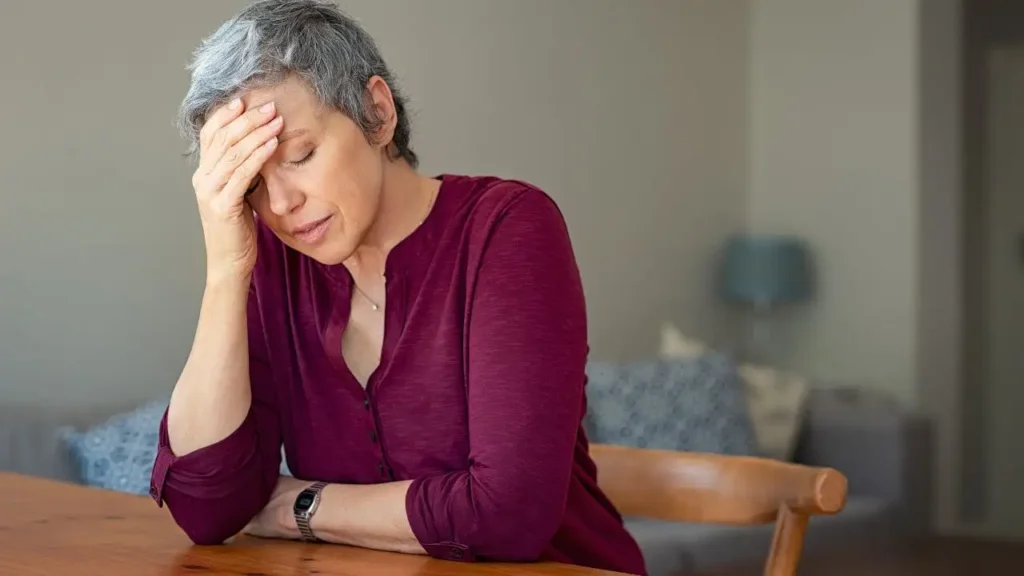
Stress often covers up early signs of dementia. You might notice memory slips, trouble focusing, or mood changes. It’s easy to think these are just stress, anxiety, or depression. Sometimes, dementia symptoms mistaken for stress get ignored. You shouldn’t brush off these changes.
Watch for patterns that don’t go away, even when you relax or feel better. Small clues can mean a lot.
Key Takeaways
- Stress can hide early dementia symptoms. Watch for memory problems and changes in mood.
- Notice if your symptoms happen often. If problems stay after you relax, get help.
- Memory problems and trouble focusing can be from stress or early dementia. Write down these changes.
- Mood swings can mean stress or dementia. See if they happen more or get worse.
- Chronic stress can cause pseudodementia. Treating stress or depression might make things better.
- Dementia symptoms usually get worse over time. If memory problems last more than a few weeks, talk to a doctor.
- Keep a journal of your symptoms to find patterns. This helps you and your doctor understand what is happening.
- Ask your family to help watch for changes. They can give good advice and support.
Dementia Symptoms Mistaken for Stress
It can be hard to tell stress from early dementia. Many signs look the same. When you feel stressed or sad, your memory and mood can change. These are also early clues of dementia. This makes it tough to spot the real issue.
Overlapping Signs
Memory Lapses
You might lose your keys or forget plans. Stress can make your mind cloudy. Early dementia can do this too. Both can make you forget things you usually remember. Here are some signs that overlap:
- Forgetfulness
- Restlessness
- Feeling tired easily
- Trouble with daily tasks
Concentration Issues
Is it hard to focus at work or reading? Stress, anxiety, and depression can make it tough to pay attention. Early dementia can also cause this. You may notice:
- Trouble focusing
- Hard time making choices
- Losing your train of thought
Mood Swings
Your mood can change fast when you are stressed. You might feel sad, worried, or angry for no reason. Dementia can also cause mood swings. You might notice:
- Mood changes
- Feeling more grumpy or alone
- Anxiety or sadness
Note: These dementia symptoms mistaken for stress can be missed. You might think you just need rest or sleep.
Anxiety and Depression Similarities
Anxiety and depression can look like early dementia. Depression can cause memory problems and make thinking hard. Many older people with depression have trouble making choices or remembering things.
Almost half of people with depression show signs like mild cognitive impairment. Doctors call this “pseudodementia.” The good news is, these symptoms can get better if depression is treated.
- Depression can cause memory loss and confusion.
- Many people with depression have trouble thinking and focusing.
- These problems can look just like early dementia symptoms.
Pseudodementia from Chronic Stress
Long-term stress and depression can cause “false dementia.” This is called pseudodementia. Your thinking and memory get worse, but not from real dementia.
Stress or depression is the cause. Studies show people with pseudodementia may get real dementia later, especially if they are older.
- Pseudodementia often happens in people with family history of depression or lots of stress.
- Women and people with less money are at higher risk.
- Memory and thinking can get better if depression or stress is treated.
| Criteria | Stress (Depression) | Dementia |
|---|---|---|
| Onset | Sudden or changes often | Slow and gets worse over time |
| Patient Awareness | Knows about memory issues, worries | Not aware, often does not care |
| Reversibility of Symptoms | Thinking gets better with treatment | Problems stay, not likely to get better |
| Neuropsychological Findings | Hurts attention and focus | Ongoing problems with memory and thinking |
| Behavioral Features | Mood problems like sadness and worry | Gets lost and has trouble with tasks |
You can see how dementia symptoms mistaken for stress can confuse people. If you see these signs in yourself or someone else, don’t just blame stress. Sometimes, these symptoms stay even after stress is gone. That’s when you should pay more attention.
If memory or mood changes do not get better with rest or help, talk to a doctor. Finding dementia early can help a lot.
Key Differences Between Stress and Dementia
Symptom Duration
You may ask how long memory problems last. Stress can make you forget things for a short time. These problems can come and go. They might last a few days or weeks if you feel very tired.
Early dementia is different. The changes happen slowly and do not go away. The symptoms get worse as time passes.
Look at this table to see how age and stress change how long symptoms last:
| Group | Age of Dementia Onset | Duration of Cognitive Symptoms | Notes |
|---|---|---|---|
| Individuals with stress | Younger than 75 | Longer cognitive impairments | Linked to stress-related exhaustion and other risk factors. |
| Individuals without chronic stress | Older than 75 | Shorter cognitive impairments | No strong link to dementia before age 75. |
If your memory problems last for months and keep getting worse, it may not be just stress. Dementia symptoms that look like stress often last longer and do not get better with rest.
Response to Stress Relief
You can feel better when you lower your stress. Taking a walk or talking to a friend can help. Mindfulness can also make your mind clearer.
People with stress-related memory problems usually get better after these steps. People with early dementia do not feel better in the same way.
Here is a table that shows how stress relief works for each group:
| Intervention Type | Population | Key Findings |
|---|---|---|
| Mindfulness Meditation | Older adults with anxiety and cognitive complaints | Improved memory, reduced anxiety, better brain function |
| Cognitive Behavioral Therapy (CBT) | Older adults | Less stress, better thinking, lower stress hormones |
| Mindfulness-Based Stress Reduction (MBSR) | Older adults, including those with mild memory loss | Better stress control, more emotional strength, small memory gains |
| Psychoeducation with MBSR | People with memory worries | Less anxiety, but not much change in thinking skills |
If your memory or focus gets better after you relax, stress is likely the reason. If not, you should talk to your doctor.
Impact on Daily Life
Stress can make life harder, but you can still do most things. You might feel tired or forgetful, but you can handle your chores and work. You can also take care of yourself.
Early dementia makes daily tasks much harder. You may forget how to pay bills or get lost in places you know. You might need help with bathing or dressing.
See this table to learn the difference:
| Aspect | Stress Impact | Early Dementia Impact |
|---|---|---|
| Cognitive Decline | Mild, often temporary | Serious, affects daily life |
| Daily Activities | Stress from too many duties | Trouble with complex tasks like managing money |
| Caregiver Psychological | High stress and worry | More stress due to patient’s needs |
| Independence | May feel overwhelmed but still independent | Loss of independence, needs more help |
| Long-term Consequences | Risk of burnout | Lower quality of life for both patient and caregiver |
Dementia symptoms that look like stress can slowly take away your independence. If you or someone you care about needs more help with daily life, it is important to get checked.
Consistency of Symptoms
You might wonder why some days feel better than others. Stress can make your memory and mood change from day to day. One day you might forget your grocery list, but the next day you remember everything. These ups and downs are common with stress, anxiety, or depression.
Dementia works differently. The symptoms stay the same or slowly get worse over time. You may notice that memory slips or confusion do not go away. They become part of your daily life. You might not have good days where everything feels normal.
Here’s how you can spot the difference:
- Stress: Symptoms come and go. You might have a bad week, then feel fine after a break or vacation.
- Dementia: Symptoms stay or get worse. You notice more problems with memory, language, or daily tasks over months.
Tip: Keep a simple journal. Write down when you notice memory problems or confusion. Look for patterns. If you see symptoms that do not go away, it’s time to talk to your doctor.
Check out this table to see how symptoms change:
| Symptom Pattern | Stress/Depression | Dementia |
|---|---|---|
| Good and bad days | Very common | Rare |
| Sudden improvement | Happens after rest or support | Unlikely |
| Steady decline | No, usually up and down | Yes, gets worse over time |
| Awareness of problems | You notice and worry | You may not notice |
You can use these clues to help you decide what is going on. If you see that your symptoms change a lot, stress might be the cause. If you see steady problems, dementia could be the reason.
You know yourself best. If you feel like something is not right, trust your gut and get checked out.
Dementia Warning Signs
Persistent Memory Loss
Sometimes you forget your phone or miss an appointment. That happens to everyone. Early dementia feels different. You may forget things you just learned. You might ask the same question many times.
Sometimes you mix up people you know well. For example, you might call your daughter by your spouse’s name. This confusion can make daily life feel strange.
Memory loss in early dementia, especially Alzheimer’s, can cause strong confusion. You may mix up people or forget important details about your life. Forgetfulness from stress usually gets better with rest. Dementia memory loss stays and gets worse over time.
Difficulty with Familiar Tasks
You have a daily routine. Maybe you make coffee or pay bills. Early dementia can make these tasks hard. You might forget steps in a recipe you know well.
You may struggle to balance your checkbook. Sometimes you forget to take your medicine. You might have trouble getting dressed.
Here’s how dementia can affect daily activities:
| Activity | Impact of Early Dementia |
|---|---|
| Paying bills | Hard to manage money |
| Balancing checkbook | Trouble with numbers |
| Remembering medications | Forgetting daily medicine |
| Eating | Problems with self-care |
| Bathing | Hard to keep clean |
| Dressing | Trouble picking clothes |
| Toileting | Problems using the bathroom |
| Walking | Trouble moving around |
| Transferring | Hard to change positions |
| Continence | Loss of control over body functions |
You may notice these tasks take more effort. You might need reminders. At first, you can still do them, but it gets harder each time. This slow change is a clue that it’s not just stress.
- People with early dementia find daily tasks harder.
- You might struggle at work or home because thinking is not as sharp.
- Routines can become confusing, even if you have done them for years.
Language Problems
Sometimes you lose a word in a sentence. That is normal sometimes. With dementia, language problems happen more often. You might forget simple words.
You may use the wrong word by mistake. Sometimes you have trouble following a conversation. You might repeat yourself without knowing.
You could notice these signs:
- Trouble finding the right word
- Using words that do not fit
- Stopping in the middle of a sentence
- Trouble understanding what others say
These changes can make talking with friends or family hard. If you see these problems more often, talk to your doctor.
If you notice memory loss, trouble with daily tasks, or language problems that do not get better, do not ignore them. Early action can help you get support.
Judgment Changes
You might notice that your judgment just feels off. Maybe you start making choices that surprise your friends or family. Early dementia often shows up as changes in how you make decisions. These changes can look different from the mistakes you make when you feel stressed or tired.
Let’s talk about what this looks like in real life. You might spend too much money on things you don’t need. Sometimes, you might give away large amounts of money to strangers or charities you never supported before.
You could forget to lock your doors at night, even though you always used to check them. Sometimes, you might dress in shorts and a t-shirt on a cold day or wear a heavy coat in the summer. You might skip showers or forget to brush your teeth, even if you always cared about being clean.
Here’s a table that shows some common judgment changes in early dementia:
| Indicator | Description |
|---|---|
| Risky financial behavior | Making large donations to strangers or spending excessively. |
| Impaired judgment | Dressing inappropriately for the weather or neglecting personal hygiene. |
| Poor decision-making | Leaving doors unlocked or missing daily hygiene routines after years of care. |
You might wonder if stress can cause these things, too. Stress can make you forgetful or distracted, but it usually doesn’t lead to risky choices that go against your usual habits.
With stress, you might pay a bill late or forget to buy groceries. With dementia, you might stop paying bills altogether or give away your savings without thinking.
If you notice yourself or someone you love making choices that seem out of character, pay attention. These changes can be small at first, but they often get worse over time.
Sometimes, you might not even realize your judgment has changed. Family and friends often notice first. They might see you making odd choices or acting in ways that don’t fit your personality. If someone points out these changes, try to listen. They care about you and want to help.
Here are some signs to watch for:
- Giving away money or valuables without a clear reason
- Wearing clothes that don’t match the weather
- Forgetting to lock doors or turn off the stove
- Ignoring personal hygiene, like skipping showers or not brushing teeth
You don’t have to feel embarrassed if you notice these things. Many people with early dementia experience judgment changes. The important thing is to recognize them and talk to your doctor. Early help can make a big difference.
Trust your instincts. If something feels off about your decisions or you see these changes in someone else, it’s time to reach out for support.
When to Seek Help
You might wonder when it’s time to talk to a doctor about memory or thinking problems. Sometimes, it’s hard to know if you should wait or act now. Here’s how you can spot the signs and get ready for help.
Red Flags to Watch
Some changes mean you should reach out to a doctor soon. These signs go beyond normal forgetfulness or stress. Watch for these red flags:
- Memory loss that disrupts daily life, like forgetting medications, meals, or appointments
- Trouble planning or solving problems, such as managing car issues or ordering medicine
- Difficulty finishing familiar tasks, like cooking or paying bills
- Confusion about time or place, such as forgetting where you live or the date
- Problems understanding visual images or spaces
- New trouble with words, like finding the right word or following a conversation
- Misplacing things and not being able to retrace your steps
- Poor judgment, like giving away money or dressing oddly for the weather
- Pulling away from work or social activities
- Changes in mood or personality, such as irritability, anger, or acting suspicious
If you notice any of these changes in yourself or someone you care about, don’t wait. Getting help early can make a big difference.
What Happens in an Assessment
You might feel nervous about seeing a doctor for memory problems. Knowing what to expect can help you feel ready. Here’s what usually happens during a dementia check:
- The doctor asks about your health history and how you manage daily life.
- You take simple tests to check your memory, attention, and problem-solving.
- If the first tests show problems, you might get blood tests or other lab work.
- Sometimes, the doctor orders brain scans to rule out other causes.
- You may come back for more memory tests or to check for depression.
Doctors want to understand what’s going on. They look for patterns and changes over time. You can help by sharing honest answers and bringing someone who knows you well.
Preparing for a Doctor Visit
Getting ready for your appointment helps you get the best care. Here’s what you can do:
- Write down any changes in memory or thinking, especially if they affect your daily life.
- Be ready for memory and thinking tests. These check your focus and problem-solving.
- Ask if you might need to see a specialist or get more tests.
- Keep up with regular check-ups, especially if you have other health problems.
Bring a family member or friend if you can. They can help you remember details and support you during the visit.
You don’t have to figure this out alone. Doctors see these problems often and know how to help. If you notice warning signs, trust yourself and reach out for support.
Monitoring and Support Strategies
Symptom Journaling
You might wonder how to keep track of your memory and mood changes. Symptom journaling can help you spot patterns that you might miss day to day. When you write down what you notice, you give your doctor a clear picture of what’s happening. This simple habit can make a big difference.
- You can track changes in your memory and emotions over time.
- You may start to see patterns in when you forget things or feel confused.
- Journaling helps you tell if your symptoms come and go or if they keep getting worse.
- You can use your notes to show your doctor what’s really going on.
Try to write a few lines each day. Note when you forget something, feel extra tired, or have trouble focusing. You can also write about your mood.
Did you feel sad, anxious, or frustrated? Over time, your journal will help you and your doctor see if your symptoms look more like stress or early dementia.
Use a notebook, a phone app, or even a calendar. Pick what works best for you. The most important thing is to keep it up.
Reducing Stress
Stress can make memory and thinking problems worse. You can take steps to lower your stress and see if your symptoms improve.
Start with small changes. Try deep breathing or gentle exercise like walking. Spend time with friends or family. Listen to music or read a favorite book.
Here are some easy ways to lower stress:
- Take a short walk outside each day.
- Practice slow, deep breaths when you feel tense.
- Talk to someone you trust about your worries.
- Try simple hobbies like drawing, gardening, or puzzles.
- Get enough sleep and eat regular meals.
If you notice your memory gets better when you feel less stressed, that’s a good sign. If your symptoms stay the same, it may be time to talk to your doctor.
Advocacy and Support Networks
You don’t have to face these changes alone. Support from others can help you feel stronger and less worried. Family and friends can watch for changes you might not see. They can help you keep track of your symptoms and go with you to doctor visits.
You can also join support groups. Many people find comfort in talking with others who understand what they’re going through. Local groups, online forums, and community centers often offer help.
| Support Option | How It Helps You |
|---|---|
| Family & Friends | Give reminders, notice changes, offer comfort |
| Support Groups | Share stories, learn tips, feel less alone |
| Community Resources | Find classes, get advice, meet new people |
Note: Asking for help shows strength. You build a team that can support you every step of the way.
Practical Tips to Tell Stress from Dementia
You might wonder how you can tell the difference between stress and early dementia. It’s not always easy, but you can use a few simple tricks to help you figure things out. Let’s look at some practical steps you can try at home and with your loved ones.
Self-Checks and Tools
You can start by checking your own symptoms. Try to notice when you forget things or feel confused. Ask yourself these questions:
- Do you forget names or appointments, even after reminders?
- Do you lose things often and can’t find them later?
- Do you have trouble following conversations or stories?
- Do you feel confused about time or where you are?
You can use a notebook or a phone app to track your answers. Write down what happens and when. This helps you see if your problems come and go or if they stick around. If your memory gets better after you relax or sleep, stress might be the cause. If not, it could be something more.
Try simple memory games or puzzles. Notice if you get better with practice or if things get harder over time.
Involving Family
You don’t have to do this alone. Your family can help you spot changes you might miss. They see you every day and notice things you might not.
- Family members often see when you forget important dates or misplace items. These signs can look like stress, but they might be early dementia.
- They might notice if you have trouble finding words or repeat yourself in conversations.
- Changes in your mood or losing interest in things you used to love can also show up. Sometimes, people think these are just stress, but they can be early signs of dementia.
Ask your family to share what they see. You can even make a list together. This helps your doctor get a full picture of what’s going on.
Family support makes it easier to spot patterns and get help sooner.
Getting a Second Opinion
Sometimes, you might feel unsure about your diagnosis. It’s okay to ask another doctor for their thoughts. Many people do this, and it can help you feel more confident.
Here’s what a second opinion can do for you:
- You might get your diagnosis confirmed.
- You could learn about new treatments or options.
- You lower the chance of a medical mistake.
But there are a few things to keep in mind:
- You might pay more for extra visits.
- It can feel stressful to see more doctors.
- Sometimes, doctors don’t agree, which can be confusing.
Did you know? About one in five people get a totally new diagnosis after a second opinion. Most people get more details or a clearer answer.
Tip: If you still have questions after your first visit, don’t be afraid to ask for another opinion. Your health matters.
You can use these tips to help you and your family spot the difference between stress and dementia. The sooner you notice changes, the sooner you can get the right help.
You might feel tempted to brush off memory slips or mood changes as just stress. Don’t ignore these signs. Keeping track of your symptoms helps spot problems early. Early detection gives you more options for treatment, planning, and support. Here’s what you can do next:
- Learn about dementia and how it changes over time.
- Talk with your family about care and safety.
- Make your home safe and set up reminders.
- Build a daily routine.
- Reach out to support groups or local services.
Staying alert and getting help early can make a real difference for you and your loved ones.
FAQ
Can stress really cause memory loss?
Yes, stress can make you forget things. Your brain gets tired and has trouble focusing. If you relax and your memory improves, stress is likely the cause.
How do I know if it’s stress or early dementia?
Watch your symptoms. Stress usually gets better with rest or support. Dementia symptoms stay or get worse. Keep a journal to track changes.
Should I worry if I forget names sometimes?
No, everyone forgets names now and then. If you forget names often and it affects your daily life, talk to your doctor.
Can depression look like dementia?
Yes, depression can cause memory problems and confusion. Doctors call this “pseudodementia.” Treating depression often helps your thinking.
What should I bring to my doctor’s appointment?
Bring a list of your symptoms, your journal, and any questions. Ask a family member to come with you for support.
Is it possible to have both stress and dementia?
You can have both. Stress can make dementia symptoms worse. Managing stress may help you feel better, but dementia needs medical care.
Are there tools to help me track my symptoms?
You can use a notebook, phone app, or calendar. Write down memory slips, mood changes, and confusion. Share your notes with your doctor.