Skip to content
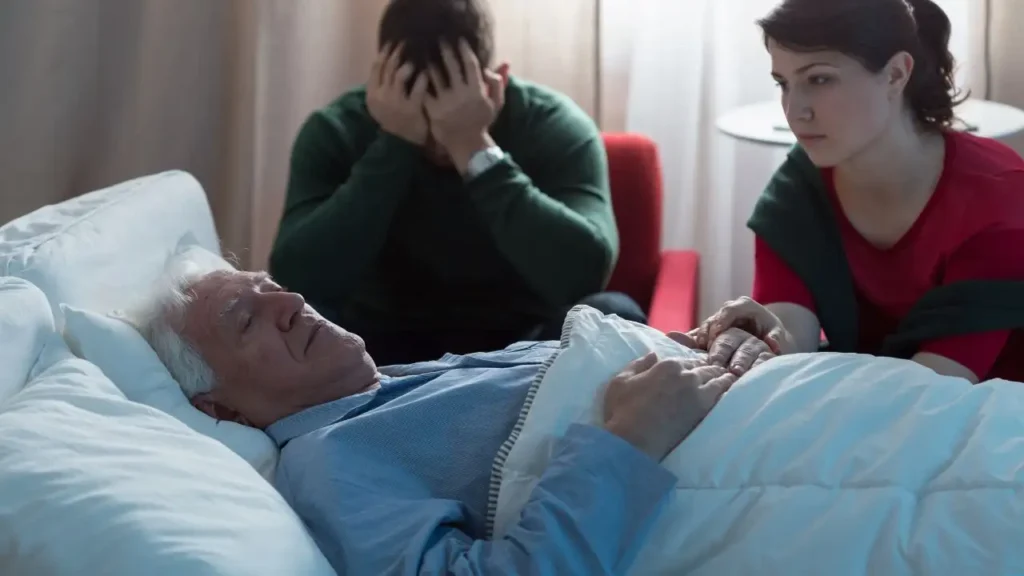
Caring for someone with dementia can be very hard. You might see changes and not know what they mean. Understanding the signs dementia patient is nearing end of life helps you provide comfort and assistance.
You do not have to go through this alone. Many families and caregivers feel the same way. There is support available to help you at every step.
Key Takeaways
- Loss of appetite and thirst often happen. Give small amounts of favorite foods. Do not force them to eat or drink.
- Difficulty swallowing can happen. Watch for coughing or choking. Ask a healthcare provider for help to keep them safe.
- Sleeping more and feeling tired is normal. Make the room quiet. This helps your loved one rest well.
- Physical weakness can make daily tasks hard. Help them with what they need. Use soft pillows to make them comfortable.
- Breathing may change and become uneven. These sounds are normal. They do not hurt your loved one.
- Incontinence is common in late-stage dementia. Use pads to help. Be gentle and caring to help your loved one feel safe.
- Loss of consciousness means the body is shutting down. Being with them can still give comfort at this time.
- Get professional help if daily care is too much. Caregivers can find help from community resources and support groups.
Signs Dementia Patient Is Nearing End of Life
Loss of Appetite and Thirst
You may notice your loved one eats and drinks less as dementia progresses. This is one of the most common signs dementia patient is nearing end of life.
Research shows that loss of appetite happens often in the final stages. Your loved one might refuse food or only take a few bites. They may not feel thirsty or may forget how to drink. This change can happen slowly or quickly.
You might see weight loss and weakness as a result. These changes are not your fault. The body is slowing down and does not need as much energy.
Offer small amounts of favorite foods or drinks. Do not force them to eat or drink if they refuse. Focus on comfort rather than nutrition at this stage.
Difficulty Swallowing
Difficulty swallowing, also called dysphagia, is another sign dementia patient is nearing end of life. You might see your loved one cough, choke, or hold food in their mouth.
Sometimes, they may refuse to swallow at all. This happens because dementia affects the brain areas that control swallowing.
Muscles become weak, and eating or drinking can feel uncomfortable. Trouble swallowing can lead to dehydration and make it hard to keep your loved one nourished.
Watch for these signs:
-
- Coughing or choking during meals
- Food or drink coming back up
- Refusal to eat or drink
If you notice these problems, talk to a healthcare provider. They can help you find ways to keep your loved one safe and comfortable.
Increased Sleep and Fatigue
You may see your loved one sleep much more than before. They might spend most of the day in bed and seem very tired when awake. This is a common sign dementia patient is nearing end of life.
The body uses less energy and starts to shut down. Your loved one may be hard to wake or may drift in and out of sleep. They may not respond to voices or touch as much as before.
Increased sleep and fatigue are normal in the final stages. Try to keep the room quiet and peaceful. Let your loved one rest as much as they need.
These changes can be hard to watch, but they are part of the natural process. Knowing the signs dementia patient is nearing end of life helps you prepare and focus on comfort and support.
Physical Weakness
Your loved one may get much weaker as dementia gets worse. Simple things like sitting up or moving in bed can be very hard. Holding objects might be tough too. They may need help with almost everything.
Eating, bathing, and changing positions may need support. This weakness often comes with being very tired. They may not care about daily activities anymore.
Here is a table that shows signs of physical weakness in late-stage dementia:
| Indicator | Description |
|---|---|
| Increased Physical Weakness | Needs help with daily tasks and cannot move easily. |
| Decreased Appetite | Eats and drinks very little, often refusing food. |
| Difficulty Swallowing | Trouble chewing or swallowing, which raises the risk of choking. |
| Incontinence | Loss of control over bladder or bowels. |
| Changes in Sleep Patterns | Sleeps most of the day and is hard to wake. |
| Labored Breathing | Breathing slows down and may change in depth. |
| Changes in Skin Color and Temp | Skin may look blotchy or feel cool, which can signal the end is near. |
Physical weakness is easy to notice when dementia is near the end. You might feel worried when you see these changes. But these changes are normal at this stage.
Help your loved one move often to stop bedsores. Use soft pillows and gentle touch to help them feel better.
Changes in Breathing
Breathing can change as dementia gets worse. You may hear new sounds or see different breathing. These changes show the body is slowing down.
Some breathing patterns you might see are:
- Cheyne-Stokes respiration: Breathing goes from deep to shallow, with pauses.
- Irregular breathing: Breaths come at uneven times, with longer gaps.
- Noisy breathing (called the “death rattle”): Gurgling sounds happen when stuff builds up in the throat. This sound can be scary for you, but it does not hurt your loved one.
These breathing changes are signs dementia patient is nearing end of life. You may feel nervous when you hear these sounds. But remember, they are common and do not cause pain.
If noisy breathing bothers you, ask a nurse or doctor for help. They may suggest moving your loved one or using special tools.
Incontinence
Incontinence means losing control of the bladder or bowels. This problem is very common in late-stage dementia.
About half of people with dementia have urinary incontinence. For Alzheimer’s disease, even more people have it—up to 70%. Many people in nursing homes also have fecal incontinence.
You can help with incontinence by:
- Learning what causes it, like weak muscles or confusion.
- Keeping the bladder healthy by regular bathroom visits.
- Using pads or special underwear to keep clothes and beds clean.
- Making a safe and caring place so your loved one feels okay.
Incontinence is a sign dementia patient is nearing end of life. It can be hard to handle, but you can help your loved one stay clean and comfortable.
Always treat your loved one with respect. Speak softly and help them without making them feel bad.
Loss of Consciousness
Loss of consciousness often happens in the final stage of dementia. You may notice your loved one becomes very hard to wake. They might not respond when you call their name or touch their hand.
Their eyes may stay closed, and they may not show any sign that they hear you. This change can feel sudden or may happen slowly over several days.
Before death, many people become completely unresponsive. In this deeply unconscious or coma-like state, they cannot be roused, will not open their eyes, and are unable to communicate or respond to touch.
You might see your loved one slip in and out of awareness at first. Over time, they may stop waking up at all. This stage means the body is shutting down. The brain no longer sends signals to wake up or react. You may feel scared or sad when you see these changes, but this is a natural part of the dying process.
Here are some common signs of loss of consciousness in late-stage dementia:
- No response to voices or touch
- Eyes remain closed most or all of the time
- No movement, except for breathing
- No signs of pain or discomfort
- No communication or speech
Loss of consciousness is one of the clearest signs dementia patient is nearing end of life. You can still provide comfort. Sit with your loved one, hold their hand, and speak softly.
Even if they do not respond, your presence can bring peace. Many families find that gentle touch and calm words help both the patient and themselves during this time.
Keep the room quiet and dim. Use soft blankets and pillows to help your loved one feel safe. You can play gentle music or read aloud if you wish.
If you have questions or feel unsure, reach out to a nurse or doctor. They can guide you and answer your concerns. Remember, you are not alone as you care for your loved one through these final moments.
Cognitive and Behavioral Changes
Limited Speech
Your loved one may talk less as dementia gets worse. They might have trouble finding words. Sometimes, they stop talking after just a few words. You may hear them repeat the same things many times.
They might use simple words or just make gestures instead of speaking. This happens because dementia hurts the brain areas that help with language. The brain has a hard time turning thoughts into words.
People with late-stage dementia often:
-
- Have trouble talking with others
- Use fewer words than before
- Say the same words or phrases a lot
It can be sad when your loved one cannot talk much. But this is normal in dementia. Even if they do not talk, they still feel your care.
Communication Difficulties
Communication problems can start early and get worse over time. Your loved one may forget names of people or things. They might not understand what you say. Sometimes, they use short sentences or lose their train of thought. You may see them get confused when you ask questions or give directions.
Common communication difficulties include:
-
- Trouble finding words to say
- Forgetting names and who people are
- Not talking or understanding as much
- Using simple words instead of longer ones
You might notice confusion during daily care. Your loved one may not answer questions or may say things that do not fit. These changes can make helping them harder. Try to use easy words and short sentences. Speak slowly and give them time to answer.
Use gentle touch, eye contact, and smiles to help your loved one feel safe. Nonverbal cues can show love and support when words are hard to find.
Increased Confusion
Confusion gets worse as dementia reaches the last stage. Your loved one may not know where they are or what day it is. They might forget faces or places they know well. Sometimes, they seem lost even at home. You may see sudden changes in how awake they are, called delirium. This can happen at home or in the hospital.
Recent studies show about 27% of end-of-life patients have delirium. In hospitals, the number is higher, about 36.8%. Almost half of people in palliative care have trouble thinking clearly.
- Signs of increased confusion:
- Forgetting names and faces
- Not knowing the time or place
- Trouble following talks with others
- Sudden changes in how alert they are
You can help by keeping routines simple and the same each day. Use photos, favorite things, and gentle reminders. Stay calm and patient. Your support helps your loved one feel safe and less worried.
Confusion is common near the end of life. You are not alone in facing these changes. Many caregivers experience the same challenges.
Withdrawal and Unresponsiveness
Your loved one may seem less interested in things. They might stop talking or looking at you. Sometimes, they just stare or seem to look past you. This usually happens near the end of dementia. It can feel like your loved one is not really there, even if they are awake.
Families often notice these changes and feel worried. You may wonder if your loved one feels scared or hurt. Most of the time, withdrawal means the brain is slowing down. Your loved one is not ignoring you on purpose. They might not have enough energy to answer or understand.
Here is a table that shows what experts have learned about withdrawal and unresponsiveness in late-stage dementia:
| Evidence Type | Description |
|---|---|
| Patient Behavior | Patients often seem unresponsive and stare blankly while awake. |
| Decision-Making Context | Families and doctors find it hard to choose treatments at this stage. |
| Importance of Patient Wishes | Everyone agrees that patient wishes and comfort matter most, even if the patient cannot speak. |
You can still help your loved one feel safe. Sit with them and hold their hand. Talk softly, even if they do not answer. Play gentle music or read a story they like. These small things can help them feel better.
Do what brings peace. Being there matters, even if your loved one cannot answer.
Agitation and Restlessness
Some people with dementia get restless or upset near the end. You might see your loved one fidget or pick at their clothes. They may move around in bed or call out. Sometimes, they repeat words or seem worried. These things can happen during the day or night.
Many things can cause agitation and restlessness:
- Feelings like worry, stress, or sadness.
- Things in the room, like new places or being too hot or cold.
- Changes in the body, like problems with pain or how the body works.
Different types of dementia show agitation in different ways:
- In Alzheimer’s disease, you may see repeated actions or “sundowning,” which means symptoms get worse at night.
- In vascular dementia, trouble thinking or talking can make your loved one restless.
- Lewy body dementia can cause seeing things that are not there, which can make your loved one more upset.
You can help by keeping the room calm and quiet. Use soft lights and things your loved one knows. Try to find out what makes them upset. Sometimes, a gentle touch or a favorite song can help them feel calm.
If your loved one seems very upset, talk to a nurse or doctor. They can check for pain or other problems and suggest ways to help.
Agitation and restlessness can be hard to see. Remember, these changes are part of the illness. Your care and support help a lot.
Physical Changes to Expect
As dementia reaches its final stage, you may notice many physical changes in your loved one. These changes show the body is slowing down and preparing for the end of life. Knowing what to expect helps you provide comfort and care.
Skin and Circulation Changes
Cool Hands and Feet
You may feel your loved one’s hands and feet become cool to the touch. This happens because blood does not flow as well as before. The body focuses on keeping vital organs working, so less blood reaches the skin and limbs. You might see their skin turn pale or even white. These changes are common in late-stage dementia.
Use soft blankets or socks to keep your loved one warm. Gentle touch can help them feel safe.
Mottled Skin
Mottled skin means you see red or purple spots on the arms, legs, or feet. Poor circulation causes these spots. The skin may also look earth-like or drained of color. These changes often appear in the last days or hours.
Here is a table that shows common skin and circulation changes:
| Symptom | Description |
|---|---|
| Mottled Skin | Red and purple spots appear on extremities, showing poor circulation. |
| Skin Color Change | Skin turns pale, white, or earth-like, signaling severe circulation issues. |
You may feel worried when you see these changes. Remember, they are normal signs that the body is slowing down.
Weight Loss
Significant weight loss often happens in the final months of dementia. Your loved one may eat less and lose interest in food. Their body cannot process food as well, leading to weight loss and weakness. This is very common and does not mean you are doing something wrong.
Here is a table showing how often weight loss happens:
| Condition | Prevalence of Significant Weight Loss |
|---|---|
| Patients with dementia | 30-40% |
| Severe Alzheimer’s disease | Up to 68% |
Weight loss makes your loved one more likely to get sick. You can offer small, favorite foods, but focus on comfort instead of nutrition.
Susceptibility to Infections
Your loved one becomes more likely to get infections as dementia progresses. The body grows weaker and cannot fight germs as well. Common infections include pneumonia, urinary tract infections (UTIs), and sepsis. These illnesses can make dementia symptoms worse and may lead to death.
- Common infections in late-stage dementia:
- Pneumonia
- Urinary tract infections (UTIs)
- Sepsis
Your loved one may not tell you if they feel pain or discomfort. Watch for signs like fever, coughing, or changes in behavior. Infections can cause sudden confusion or sleepiness. If you notice these signs, contact a healthcare provider.
Infections are a leading cause of death in advanced dementia. Quick action can help manage symptoms and provide comfort.
Physical changes like cool skin, weight loss, and infections are part of the natural process. You can help by staying alert and offering gentle care. Your support makes a big difference during this time.
Providing Comfort and Support
Managing Pain
You help your loved one feel better and safe. Pain is hard to notice in dementia patients. They may not be able to say what hurts. Watch for signs like making faces, moving a lot, or breathing differently.
Check for pain often to find problems early. The PAINAD scale helps you check pain when your loved one cannot talk.
You can try different ways to help with pain:
- Start with medicines like acetaminophen or NSAIDs for mild pain. These can help when pain is not too bad.
- If pain gets worse, doctors might give stronger medicine like opioids. Each medicine can have side effects, so talk to your doctor.
- You can also use things that are not medicine. Music, gentle massage, and relaxing can help your loved one feel better.
- If your loved one can move, simple stretches may help with pain and stiffness.
Tell your doctor if you see new pain or changes. They can help you find the best way to treat it.
Creating a Calm Environment
A quiet and peaceful room helps your loved one feel safe. Use soft colors and gentle lights to make the room nice. Let in sunlight or use warm lamps to make it feel cozy. Put up family photos or favorite blankets to remind your loved one of good times.
Think about privacy and respect. Give your loved one space when they want it, but stay close to help. Use soft music or nice smells to make the room calm. Make sure staff can see your loved one to keep them safe.
- Add special things to the room that your loved one likes.
- Use gentle lights and let sunlight in.
- Play soft sounds and use things that feel familiar.
- Give quiet time and privacy when needed.
- Invite family and friends to visit for support.
A calm and familiar room can help your loved one feel less worried or upset.
Supporting Emotional Needs
You and your family need support for your feelings too. Hospice workers can help you any time, day or night. Grief counseling gives you a safe place to talk and ask questions. Follow-up care helps you deal with loss and changes.
You can make memories by making photo books or writing letters. Learning how to solve problems and talk with others helps you feel better about caring. Getting help with choices lets you stay part of your loved one’s care.
- Ask for help with grief and counseling.
- Stay in touch with doctors and nurses for advice.
- Do memory activities to honor your loved one.
- Get help with care and making plans.
You are not alone. Many people feel the same way. Ask for help when you need it.
Hospice and Palliative Care
When dementia gets very bad, you might hear about hospice and palliative care. These services help people feel comfortable and have a good life. They help families deal with hard symptoms and give support.
Hospice care is for people who are very sick. Doctors think they have six months or less to live. Palliative care can start sooner. It helps with pain and stress. Both types of care give special help for dementia patients.
Here is a table that shows when hospice care might be needed:
| Criteria | Description |
|---|---|
| Terminal Illness | Patient has a sickness and may live six months or less. |
| Condition Progression | Patient’s sickness has gotten worse, so hospice care helps with symptoms. |
| Understanding Eligibility | Families need to know when their loved one can get hospice care. |
You may wonder what these services do for you and your loved one. They help in many ways:
- They lower stress for caregivers by helping with tasks.
- They teach families about dementia and what will happen.
- They give special care for people with dementia.
- They help families know what to expect as things change.
- They let families spend more time together.
Hospice and palliative care teams have nurses, doctors, social workers, and counselors. They work together to keep your loved one comfortable. They help with pain, breathing, and other problems. The team also gives emotional support and advice.
You do not have to wait until the very end to ask about hospice or palliative care. If your loved one gets worse and you see more signs, talk to your doctor. The care team can help you decide when to start these services.
Hospice care can happen at home, in a nursing home, or in a hospice center. You pick the place that feels right for your family. The team visits often and helps with bathing, medicine, and comfort. They answer questions and listen to worries.
Palliative care can start earlier in the sickness. It helps with pain, sleep, and feeling nervous. You can use palliative care with other treatments. The goal is to make each day as good as possible.
You may feel scared about making these choices. Hospice and palliative care give you help and advice. You do not have to do this alone. These services help you focus on comfort, dignity, and time with your loved one.
Ask your doctor or care team about hospice and palliative care. They can tell you what is offered and help you choose what is best for your loved one.
Preparing for End-of-Life Care
Legal and Medical Planning
Making plans for end-of-life care helps you make choices. You can make sure your loved one’s wishes are followed. Planning early can lower stress for your family. Talk about legal and medical steps before they are needed.
Advance Directives
Advance directives are papers that show what care your loved one wants. These papers help doctors and nurses know what to do if your loved one cannot speak. You should:
- Fill out advance directives to show what treatments your loved one wants.
- Talk about end-of-life wishes with family and doctors.
- Think about funeral and burial plans ahead of time.
Advance directives help everyone know your loved one’s wishes. They stop confusion and make sure care matches what your loved one wants.
Power of Attorney
Power of attorney lets someone make choices for your loved one. You should:
- Talk about legal papers with your loved one so they understand.
- Ask a doctor to check if your loved one can make choices before signing.
- Look at old legal papers and update them if needed.
Pick someone you trust to be power of attorney. This person can make medical and money choices if your loved one cannot.
Communicating with Healthcare Providers
You need to talk clearly with doctors, nurses, and care teams. Share your loved one’s wishes and ask questions about care. You can:
- Bring questions to doctor visits.
- Ask about changes in symptoms or care plans.
- Request updates about your loved one’s health.
Doctors and nurses want you to understand what is happening. Ask them to use simple words. Speak up if you feel unsure or worried.
Good talking helps you make smart choices and keeps your loved one comfortable.
Support for Caregivers
Caring for someone with dementia can be very hard. There are many ways to get help during this time.
| Type of Support | Description |
|---|---|
| Caregiver education and training | Teaches family caregivers how to help as symptoms get worse. |
| Help with difficult decisions | Helps families make hard choices about care that affect the patient’s life. |
| 24/7 nurse support | Lets you call hospice nurses any time for help or questions. |
| Emotional and spiritual assistance | Supports the feelings and spiritual needs of patients and families. |
| Financial assistance | Gives help with money planning and finding help during hospice care. |
| Respite care | Offers short-term care so caregivers can take a break. |
| Bereavement services | Helps loved ones deal with grief for a year after the patient dies. |
Palliative care can help you too. A team of doctors and social workers supports you and your loved one. Their goal is to make life better and lower stress for families.
When to Seek Additional Help
Recognizing the Need for Professional Support
You might not know when to ask for more help. It can feel too much when your loved one cannot do daily things. Some signs show you need a professional’s help. If your loved one cannot eat or drink alone, get help from a doctor.
If swallowing is very hard, you should call a healthcare provider. When walking is not safe or they cannot walk, more care is needed. Needing help with bathing, dressing, and other care means they depend on you for almost everything. If your loved one gets sick often, like with pneumonia, you should talk to a doctor.
Here is a table that shows when to get professional help:
| Indicator | Description |
|---|---|
| Difficulty eating and swallowing | Your loved one struggles with basic nutrition and hydration. |
| Assistance with walking | Walking becomes unsafe or impossible without help. |
| Full-time help with personal care | Your loved one needs help with all daily activities. |
| Vulnerability to infections | Frequent infections, especially pneumonia, make care more complex. |
If you see these signs, talk to your doctor or care team. They can help you and give advice.
Accessing Community Resources
You do not have to do this alone. Many groups help families who care for dementia patients. These groups give information, support, and advice. You can find help with grief, learn about end-of-life care, and meet others who understand.
Here is a table of helpful community resources:
| Resource Name | Description | Link |
|---|---|---|
| Hospice & Community Care | Offers end-of-life care and grief support. | https://www.hospiceandcommunitycare.org/hospice-care/resources/ |
| Alzheimer’s Association | Provides local care tools and online support. | http://www.alz.org |
| Caring Connections | Shares information and connects families with resources. | http://www.caringinfo.org |
| Family Caregiver Alliance | Supports caregivers with groups and resources. | https://www.caregiver.org/ |
| CaringKind | Runs support groups for dementia caregivers. | https://www.caringkindnyc.org/supportgroups/ |
| Alzheimer’s Association | Hosts support groups and online communities for caregivers. | https://www.alz.org/help-support/community/support-groups |
Joining a support group can help you feel less alone. You can also get good advice from others.
Caregiver Self-Care
Caring for someone with dementia can make you very tired. You need to care for yourself to stay healthy. Watch for signs of burnout, like always feeling tired or not enjoying things. Set goals you can reach and remember you cannot do it all.
Make time for exercise, meditation, or hobbies you like. Try to sleep well and rest during the day. Eat healthy foods to keep your body strong. Take a day off or a short break when you need it. Know your limits and take time to recharge.
- Notice burnout and get help if you feel too tired.
- Set goals that you can reach.
- Make time for exercise, meditation, or hobbies.
- Get enough sleep and rest during the day.
- Eat healthy foods to stay strong.
- Take breaks or a day off when you need it.
- Know your limits and recharge often.
You can ask friends and family to help you. Sharing jobs makes things easier. Professional services and programs can give extra help. Support groups let you meet others who understand.
- Ask friends and family for help.
- Call professional services for more support.
- Join caregiver support groups for advice and comfort.
Taking care of yourself helps you care for your loved one. You deserve support and time to rest.
You may notice many changes as dementia reaches the end of life. Watch for signs like less speech, trouble eating, more sleep, and needing help with daily care.
Advanced dementia is a terminal illness with a slow but sometimes unpredictable decline.
You give important care and comfort during this time. Stay in touch with healthcare professionals and ask for help when you need it.
- Support groups and care teams can guide you.
Remember, you are not alone. Your care matters, and planning ahead helps everyone.
FAQ
How do I know when to call hospice for my loved one?
You should call hospice when your loved one cannot walk, eat, or talk without help. If they have frequent infections or lose weight quickly, hospice can give comfort and support.
What can I do if my loved one refuses food or water?
You can offer small sips or favorite foods. Do not force them to eat or drink. Focus on comfort. This is a normal part of the end stage.
Is pain common at the end of life with dementia?
Pain can happen, but you may not always see it. Watch for signs like moaning, frowning, or restlessness. Tell the care team if you notice these signs.
How can I keep my loved one comfortable at home?
You can use soft pillows, gentle touch, and quiet music. Keep the room calm and warm. Ask the care team for advice on comfort.
What should I do if my loved one becomes unresponsive?
Stay close. Hold their hand and speak softly. Your presence brings comfort, even if they do not respond.
Can my loved one still hear me near the end?
Hearing often stays until the end. You can talk, sing, or read to your loved one. Your words can bring peace.
Where can I find support for myself as a caregiver?
You can join support groups, call the Alzheimer’s Association, or ask your care team for resources. Help is available for you.
What signs show that death is very near?
You may see slow breathing, cool hands, mottled skin, or no response. These signs mean the end is close. Focus on comfort and support.