Skip to content
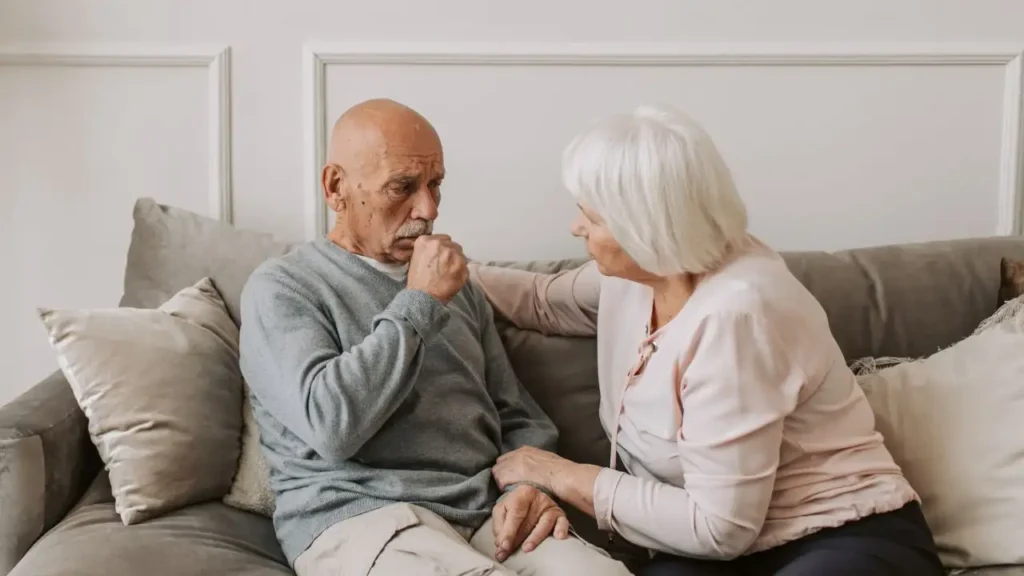
You might wonder why a dementia patient stops walking. This change can seem quick or confusing. When someone has trouble walking, it means the disease affects the brain and body. Families and caregivers should know the reasons. Many people with dementia lose the ability to walk.
- Each year, about 12.76% of people with Alzheimer’s disease stop walking.
- After four years, about 30.20% need help or cannot walk anymore.
Watch for changes in how someone moves. If you notice new problems, talk to a healthcare professional.
Key Takeaways
- Dementia harms parts of the brain that help us move. This makes walking hard.
- Look for early signs like shuffling feet, slow walking, or trouble with balance. These signs help you notice problems early.
- Weak muscles and getting older can make walking problems worse for people with dementia.
- Write down any changes in how someone walks. This helps doctors and nurses give better care.
- Make the home safe by taking away things people can trip on. Make sure there is enough light.
- Help the person do easy activities like walking or stretching. This keeps their muscles strong and helps with balance.
- Ask a doctor if you see sudden changes in walking or how the person acts.
- Caregivers and people with dementia need emotional support. Take breaks and talk to others for help.
Why a Dementia Patient Stops Walking
Neurodegeneration and Brain Changes
When a dementia patient stops walking, it is often because their brain is changing. Dementia makes nerve cells in the brain break down slowly. This is called neurodegeneration.
Different brain parts help you move, keep balance, and walk safely. If these parts get damaged, walking gets harder.
The brain is like a control center for your body. If some parts do not work right, your legs and feet may not move well.
Here is a table that shows which brain parts are most affected when walking problems start:
| Brain Region | Association with Gait Disturbance |
|---|---|
| Frontal Regions | Most commonly reported association with gait impairment. |
| Parietal Lobe | Central to sensory integration and visuospatial function. |
| Temporal Lobe | Associated with disrupted gait performance. |
| Cerebellum | Implicated in coordination of movement. |
| Basal Ganglia | Linked to gait disturbances in conditions like PD and HD. |
| Prefrontal Cortex | Involved in higher-level cognitive functioning related to gait. |
When these brain parts do not work well, a dementia patient may stop walking or move slower. The brain cannot send clear messages to the muscles, so the body does not move as it should.
Memory Loss and Confusion
Memory loss is a main sign of dementia. It does not just make you forget names or dates. It can also change how you move and walk.
If you forget where you are or what you are doing, you might freeze or stop walking. Confusion makes it hard to plan steps or know where to go.
The table below shows how memory and thinking skills connect to walking:
| Aspect of Gait | Related Cognitive Function |
|---|---|
| Walking rhythm | Information processing speed |
| Walking variations and speed | Executive function (planning and organizing) |
| Walking speed | Severity of mental decline |
If a dementia patient stops walking, it may be because their brain cannot process things fast enough. They might forget how to start walking or get confused about where to step. This confusion can make them stop, freeze, or even fall.
Physical Weakness and Age Factors
Physical weakness can make walking loss happen faster in people with dementia. As you get older, your muscles get weaker. Your joints can get stiff. If you have dementia, these changes can happen faster and feel worse.
- Walking without help needs strong muscles, good balance, and clear brain signals.
- Dementia can hurt the brain parts that control attention, strength, and movement.
- Older people often have less muscle and strength. They may also have nerve problems or arthritis, which makes walking harder.
- When you add these body changes to dementia, a patient may stop walking sooner than someone without dementia.
You might see signs of weakness, like losing weight, feeling tired, weak grip, and slow walking. These signs often show up before a dementia patient stops walking all the way.
| Evidence Description | Key Findings |
|---|---|
| Neural decline in cognitive, sensory, and motor systems | A common cause of decline is observed, affecting mobility in dementia patients. |
| Overactivity in brain regions during motor tasks | Indicates compensatory mechanisms in response to muscle weakness. |
| Peripheral scaffolding necessity | Muscle strength is crucial to maintain mobility, especially in the context of neural decline. |
| Potential for a ‘crunch point’ | When neural compensatory mechanisms fail, mobility may decline rapidly. |
If you see someone moving slower, losing weight, or getting tired easily, these may be early signs that walking will get harder soon.
When you know these reasons, you can help someone as they face changes in walking and moving.
Brain and Body Changes Affecting Mobility
When you help someone with dementia, you might see them move differently. The brain and body must work together for walking. If the brain cannot send clear messages, moving gets unsafe.
Motor Control and Balance Issues
A dementia patient may lose balance or have trouble standing tall. The brain controls motor skills. These skills help you walk and stand. Dementia can hurt these brain areas. Walking then gets much harder.
Falls happen often when balance is poor. Watch for swaying or needing help to stand.
Here is a table that shows how motor control and balance problems show up in dementia:
| Evidence Type | Description |
|---|---|
| Gait Disorders | Walking gets slower, steps get shorter, and staying upright is harder. |
| Balance Assessment | Walking tasks take longer, showing weak balance. |
| Postural Stability | Lower scores on tests mean more chance of falling. |
You might also see these changes:
- Poor eyesight makes it hard to spot things in the way.
- Bad sense of direction causes confusion about where to go.
- Weak muscles and poor balance make falls more likely.
- Some dementia drugs can cause dizziness or sleepiness.
Gait Changes and Shuffling
Gait means how you walk. In dementia, gait changes can come before other signs. You may see shuffling, slow steps, or uneven walking. These changes can warn that walking may stop soon.
Slow walking and shuffling can start years before memory loss gets worse.
Here is a table showing how gait changes connect to dementia:
| Study | Findings |
|---|---|
| Arch Neurol. 2010 | Slow walking can show up 12 years before memory loss and raises risk. |
| J Am Med Dir Assoc. 2016 | Gait speed can predict dementia; slower speed means higher risk. |
| PMC3859437 | Shuffling steps link to higher risk, especially in vascular dementia. |
Look for these signs:
- Walking gets slower
- Feet shuffle or drag
- Steps are uneven
These signs mean the brain has trouble controlling movement.
Dementia Posturing and Stiffness
Posturing is how someone holds their body. Stiffness makes moving or changing position hard. Many dementia patients sway or lean when standing. This can cause falls and make daily tasks tough.
Stiffness and bad posture can show up early, even before walking stops.
- Trouble standing tall
- Leaning to one side
- Stiff arms or legs
Problems with gait and balance make daily life harder. These changes often come before a dementia patient stops walking. If you see these signs, talk to a doctor for help.
Warning Signs Before Walking Loss
If you care for someone with dementia, watch for early signs. These signs can show walking may get harder soon. Noticing them early helps keep your loved one safe. You can get help when you need it.
Unsteady Walking and Falls
Walking may start to look shaky. The person might sway or lose balance. They may need help to stand up. Falls often happen before walking stops. You should notice these changes.
- Falls happen to 60% to 80% of people with cognitive problems.
- Older people with dementia fall more than those without it.
- People with dementia are three times more likely to break a hip.
If someone stumbles or falls more, this is a big warning. Falls can cause bad injuries. They can make walking loss happen faster.
Shuffling or Dragging Feet
Walking may look different. You might see short steps or shuffling. Sometimes, feet drag on the floor. These changes come before bigger walking problems.
- A shuffling walk can show early brain changes from dementia.
- Changes in gait, like shuffling, are early signs of mobility loss.
Here is a simple table to help you spot these changes:
| Early Gait Change | What You Might See |
|---|---|
| Shuffling | Feet barely lift off ground |
| Dragging feet | Shoes scrape the floor |
| Uneven steps | Steps look different sizes |
If you see these signs, talk to a doctor. Getting help early can slow down walking loss.
Hesitation or Freezing
Sometimes, a person may stop suddenly while walking. You might see them freeze or hesitate. This can happen in doorways or crowded places. Freezing of gait is common in some types of dementia.
- Freezing of gait often shows up early and gets worse later.
- Cognitive decline makes freezing more likely.
- Hesitation or freezing links to brain changes as dementia gets worse.
If someone freezes or hesitates, give gentle support. Do not rush them. This sign means the brain has trouble controlling movement.
Early Detection Matters
You help by spotting these warning signs. Early signs include trouble walking, memory loss, and problems with hard tasks. These can connect to mobility problems. If you notice any changes, ask a doctor for advice.
- Watch for changes in walking, balance, and posture.
- Keep track of falls, shuffling, and freezing.
- Early detection helps prevent injuries and keeps your loved one safe.
Write down what you see. Share it with your doctor. Getting help early can make a big difference when walking stops.
Other Factors When a Dementia Patient Stops Walking
Not all walking problems in dementia come from the brain. Other health issues can also make walking hard or stop it suddenly. Knowing about these things helps you care for your loved one.
Medical Events (Stroke, Infection)
Some health problems can quickly change how someone moves. A stroke can make the brain lose control of muscles. This can make walking unsafe or even stop it.
Infections like pneumonia or urinary tract infections can cause weakness or confusion fast. Watch for these problems because they can make walking worse.
Common medical reasons include:
- Stroke can cause sudden loss of movement or balance.
- Infections like HIV or sepsis can cause confusion and weakness.
- Chronic traumatic encephalopathy from many injuries.
- Not enough nutrients can weaken muscles and nerves.
- Heart problems like arrhythmias or heart failure.
- Epileptic seizures can cause short or long-term walking problems.
If you see sudden changes in walking, call a doctor. Acting fast can help stop things from getting worse.
Medication Side Effects
Medicines can help, but some cause new problems. Many drugs for dementia or other illnesses have side effects that change how someone moves. You should know what these side effects look like. This way, you can tell your doctor if you see changes.
| Side Effect | Impact on Mobility |
|---|---|
| Memory impairment | Trouble moving around safely |
| Behavioral disturbances | Agitation can make moving harder |
| Anxiety | May avoid walking or being active |
| Insomnia | Tiredness can make walking harder |
| Sedation | Sleepiness can limit movement |
| Confusion | Bad choices can make walking unsafe |
Some medicines can make a person sleepy or confused. Others can cause worry or make them upset. These problems can lead to less walking or unsafe movement. Always ask your doctor if you think a medicine is causing trouble.
Write down all medicines and show your doctor. This helps them find side effects early.
Agitation and Wandering
Agitation and wandering are common in dementia. You may see your loved one walk around a lot or try to leave. Sometimes, wandering happens because they feel lost or want to see people. Other times, they are bored or just need to move.
| Risk Factors for Wandering in Dementia |
|---|
| Being male |
| Younger age |
| MMSE<13 with still being able to walk |
| Alzheimer’s disease, Lewy body dementia |
| Dementia with trouble knowing where they are |
| Agitation |
| Psychotic symptoms |
| Substance use and acting out |
Wandering can cause falls, injuries, and tiredness. If someone cannot sit for meals, they may lose weight or not get enough food. Watch for signs of restlessness or trying to leave. These actions often mean the brain has trouble with direction and safety.
Common reasons for wandering are:
- Trying to leave a place that feels strange
- Wanting to see or talk to people
- Needing to move because they feel restless
If you see wandering or agitation, make the area safe and talk to your doctor. These actions can make walking loss happen sooner.
When a dementia patient stops walking, look at all possible reasons. Health problems, medicines, and behaviors like wandering all matter. By knowing these things, you can help keep your loved one safe and comfortable.
What Caregivers Can Do
Monitor and Document Changes
You play a key role in noticing changes in your loved one’s walking. Careful observation helps you spot problems early. When you see a change, write down what happened. This record helps doctors understand what is going on.
- Watch who was present when the change happened.
- Write down what happened in the 24 hours before the change.
- Note the time of day you saw the change.
- Record where the change took place.
- Think about things like sleep quality, loud noises, or new medicines.
Keep a notebook or use your phone to track these details. Small notes can make a big difference.
You may notice that changes happen after a poor night’s sleep or when the house is noisy. Sometimes, a new medicine can cause problems. By tracking these things, you help your loved one get the right care.
Seek Medical Advice
If you see new problems with walking, talk to a healthcare professional. Doctors and nurses can help you understand what is happening. Bring your notes to the appointment. This information helps the doctor find the cause faster.
- Share details about falls, shuffling, or freezing.
- Tell the doctor about any new medicines or illnesses.
- Ask questions if you do not understand something.
You are not alone. Doctors, nurses, and therapists want to help you and your loved one.
Early medical advice can prevent bigger problems. Quick action may stop injuries or help your loved one stay active longer.
Create a Safe Environment
You can make your home safer for someone with dementia. Small changes lower the risk of falls and injuries. Start by looking for things that might cause trouble.
- Remove clutter to avoid tripping hazards.
- Make sure rooms have enough light so you can see clearly.
- Install grab rails in bathrooms and along hallways.
- Use contrasting colors to help your loved one see objects better.
- Check the home for dangerous areas or sharp objects.
- Simplify tasks and give plenty of time to finish them.
- Create safe walking paths, like a clear route through the living room.
- Add sensory items, such as bird feeders or wind chimes near windows, to bring comfort and joy.
Focus on adapting the environment, not reteaching safety. Support independence, but be realistic about what your loved one can do.
You help your loved one stay safe and comfortable by making these changes. A safe home lets them move around with more confidence and less risk.
Encourage Gentle Activity
You can help your loved one by getting them to move each day. Moving helps the body and brain work together. Even a little activity can help someone with dementia a lot.
Studies show that moving a bit helps in many ways. You might see less worry or upset feelings. Gentle movement can make your loved one feel happier. Doing activities often can help them pay attention and think better. These changes help them stay independent longer.
Gentle activity is not hard exercise. Simple things, like walking or stretching, help keep strength and balance.
You may wonder which gentle activities are good. Here are some ideas you can try:
- Take short walks together, inside or outside.
- Try stretching or easy yoga poses.
- Play music and dance slowly in the living room.
- Do chair exercises if standing is hard.
- Toss and catch soft balls or scarves.
- Help with chores, like folding towels or watering plants.
Gentle activity does more than help the body:
- It makes fitness better and helps your loved one feel good.
- It gives them a chance to talk and feel more independent.
- Light exercise can lift their mood and help them want to move more.
- Moving often keeps muscles strong and blood flowing, which helps with walking.
You can use some easy steps to make a routine:
- Try to get 150 minutes of moderate activity each week. Break this into short times.
- Do muscle-strengthening activities two days a week. Use light weights or bands if you can.
- Add balance and movement exercises three days a week. Try standing on one foot or walking heel-to-toe.
Always watch for tiredness or pain. Let your loved one rest when they need it. Make activities fun and pick things they like.
You do not need special tools. Use what you have at home. The most important thing is to move safely. If you are not sure which activities are best, ask a physical therapist or doctor.
Helping your loved one do gentle activity keeps them strong and happy. Every small step helps them stay independent and enjoy life.
Impact on Daily Life and Emotions
Loss of Independence
When a person with dementia cannot walk, daily life changes a lot. Walking lets people do things like dress, use the bathroom, or eat with family. Without walking, your loved one may need help with almost everything. They might use a wheelchair or need you to move them around.
Losing independence is tough for both you and your loved one. They may feel sad or upset because they cannot do things alone. You might feel tired from giving more care. You may need to change your home to make it safer. This could mean adding ramps, moving furniture, or using special tools.
You help your loved one feel safe and cared for, but you might feel tired or stressed. It is normal to feel this way.
Here are some ways losing independence can change daily life:
- You spend more time helping with personal care.
- Your loved one has less privacy.
- There are fewer chances to see friends or family.
- You need to plan more for simple trips.
You can help by keeping routines easy and giving choices. Even small choices, like picking clothes or snacks, help your loved one feel in control.
Emotional Well-being
Losing the ability to walk does not just change routines. It also changes how you and your loved one feel. You may notice new feelings, like sadness, worry, or anger. Your loved one might feel left out if they cannot join family fun.
Many caregivers and dementia patients have common stress. This can come from memory loss, personality changes, or sudden behavior. Each brings its own problems and feelings. The table below shows how these stressors affect emotions and ways to handle stress:
| Common Stressors | Impact | Stress Management |
|---|---|---|
| Memory Loss | Grief & Loss | Regular Breaks |
| Personality Changes | Frustration | Support Groups |
| Unpredictable Behavior | Anxiety | Self-Care Routine |
You may feel sad as you watch your loved one change. You might get frustrated when things do not go as planned. You may feel anxious when you do not know what will happen next. These feelings are normal.
Take care of yourself, too. Join a support group or talk to friends. Taking breaks helps you feel better.
Try these tips to help with emotions:
- Talk about feelings with family or friends.
- Take short breaks during the day.
- Join a caregiver support group.
- Find small joys, like music or nature.
You help your loved one most when you care for your own feelings. Staying connected and asking for help can make each day easier.
You can notice early walking problems in dementia by looking for changes in how someone steps and how fast they walk, especially when they walk around corners. Studies show that walking often and staying active helps keep the brain healthy, especially for people who might get dementia.
| Cause or Sign | What to Watch For |
|---|---|
| Gait changes | Steps get shorter and slower |
| Curved path difficulty | Hard time turning or keeping balance |
| Physical weakness | Feeling weak or getting tired |
- Watch for movement changes and make sure the home is safe.
- Help your loved one do gentle activities to stay healthy.
- Take care of yourself and ask for help if you need it.
Remember, you are not alone. Being kind, patient, and caring for yourself helps you and your loved one stay strong each day.
FAQ
What are the first signs that a dementia patient may stop walking?
You may notice slower steps, shuffling feet, or trouble keeping balance. Sometimes, your loved one may freeze or hesitate before moving. These early signs often show up before walking stops completely.
Can physical therapy help someone with dementia keep walking?
Yes, physical therapy can help. You can work with a therapist to improve strength and balance. Gentle exercises may slow down walking loss and help your loved one stay active longer.
Should you use a walker or wheelchair right away?
You should talk to a doctor or therapist first. Sometimes, a walker or wheelchair helps keep your loved one safe. The right choice depends on their needs and how much support they need.
How do you prevent falls in someone with dementia?
You can remove clutter, add grab bars, and keep rooms well-lit. Make sure your loved one wears sturdy shoes. Watch for changes in walking and ask a doctor for advice.
Do all dementia patients lose the ability to walk?
Not all dementia patients stop walking. Some keep walking for many years. The risk depends on the type of dementia, age, and other health problems.
What should you do if your loved one suddenly cannot walk?
Call a doctor right away. Sudden walking loss may mean a new medical problem, like a stroke or infection. Quick action can help your loved one get the right care.
Can medication cause walking problems in dementia?
Yes, some medicines can cause sleepiness, confusion, or weakness. These side effects may make walking harder. Always tell your doctor about any changes you notice.